

16 min read
Criminal Defense
Denver Drug Possession Lawyer: What You're Actually Facing When Charges Are Filed
Here's what most people assume when they're pulled over or stopped with drugs in Denver: that because marijuana is legal, Colorado must be lenient on all drug crimes, that a first offense won't result in jail time, or that "it's just a small amount" means charges won't stick. The reality? Colorado drug possession laws carry serious penalties ranging from misdemeanor probation to felony charges with years in prison, depending on the substance type and amount. Even possession of small amounts of Schedule I or II substances like heroin, methamphetamine, or fentanyl can result in up to 180 days in jail and fines up to $1,000.
But here's the part that catches people off guard: Colorado makes it a Level 4 felony to possess more than four grams of Schedule I or II drugs, or any amount of GHB, Ketamine, or flunitrazepam. That means what looks like personal use to you might be prosecuted as a felony carrying 6 months to 1 year in prison plus a year of parole. The gap between what people think will happen and what actually unfolds in Denver courtrooms costs them their freedom, their careers, and sometimes their families.
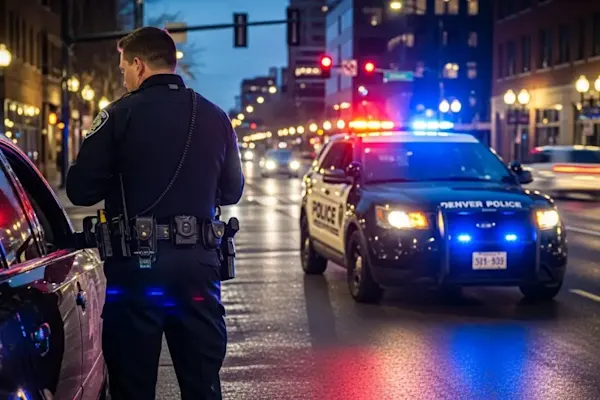
Denver prosecutors don't automatically offer lenient treatment just because you're a first-time offender or because you think the amount was small. They look at the substance schedule, the exact weight, where you were arrested, and whether any aggravating factors existed. As of April 2024, Denver had recorded 1,165 drug and alcohol crimes, translating to an average of 12.4 incidents per day. Law enforcement and prosecutors treat these cases seriously, and the judicial system enforces both state and federal drug laws, with federal charges in places like national parks carrying even harsher penalties.
Understanding exactly what you're facing—the specific charges, penalties, defenses, and when specialized legal help becomes essential—determines whether you walk away with a dismissed case, enter a diversion program, or serve time in prison. The skilled Denver drug possession lawyers at The Reputation Law Group have successfully defended hundreds of drug cases throughout Colorado. We know how to challenge illegal searches, suppress inadmissible evidence, and negotiate outcomes that protect your future.
Understanding Colorado's Drug Possession Laws
Colorado drug laws operate on a schedule system that classifies controlled substances based on their potential for abuse and accepted medical uses. Schedule I drugs include substances with no accepted medical use and high addiction potential like heroin, LSD, and certain psychedelics, while Schedule II includes highly regulated substances with some medical uses such as fentanyl, cocaine, and methamphetamine.
The distinction matters enormously. Under Colorado Revised Statute § 18-18-403.5, unlawful drug possession is generally a level 1 drug misdemeanor carrying up to $1,000 in fines and two years of probation. But that's only for small amounts of less serious substances.
What Counts as "Possession" in Colorado?
Colorado law recognizes three types of possession, and prosecutors don't need to prove you physically held drugs in your hand:
Actual possession – You're physically touching or holding the controlled substance. The drugs are in your pocket, in your hand, or on your person.
Constructive possession – You have control over the drugs without physically touching them. They're in your car's glove compartment, hidden in your apartment's safe, or stored in a location you control.
Joint possession – Two or more people share control over the substance. You and your roommate keep drugs in a shared space, or you and a passenger both know about drugs in a vehicle.
Denver prosecutors frequently charge constructive possession cases, arguing that even if drugs weren't on your person, you knew about them and could access them. These cases become battlegrounds over knowledge and control—did you actually know the drugs were there? Could you realistically control them?
The Penalties You're Actually Facing
Level 1 Drug Misdemeanor (Small Amounts of Serious Drugs)
Possession of up to 4 grams of Schedule I or II substances including heroin, methamphetamine, fentanyl, cocaine, ecstasy, or LSD results in a level 1 drug misdemeanor. The penalties include:
Up to 180 days in county jail
Up to 2 years probation with possible jail time as a condition
Fines up to $1,000
Mandatory drug treatment programs
For third or subsequent offenses: up to 364 days in jail
First-time offenders may qualify for alternative sentencing such as probation or treatment programs, but repeat offenses or possession of large amounts significantly increase penalties.
Level 4 Drug Felony (Larger Amounts or Specific Substances)
Colorado makes it a level 4 drug felony to possess more than four grams of Schedule I or II drugs including heroin, LSD, ecstasy, cocaine, PCP, or methamphetamine. The same felony charge applies to possessing any amount of GHB, flunitrazepam (Rohypnol), ketamine, or cathinone.
Level 4 drug felony penalties include:
6 months to 1 year in prison
1 year of mandatory parole
Fines up to $100,000
Permanent criminal record affecting employment, housing, and professional licenses
Loss of gun rights under federal law
Marijuana Possession (Still Illegal Above Certain Amounts)
Adults 21 and older can legally possess up to two ounces of marijuana, but possession of more than two ounces is a crime, and any amount is illegal for people under 21 except medical marijuana with proper authorization.
Marijuana possession penalties:
More than 2 ounces: Petty offense, maximum $100 fine
Open display of less than 2 ounces: Petty offense, maximum $100 fine
2 to 6 ounces: Level 2 drug misdemeanor, up to one year in jail, $700 fine
6 to 12 ounces: Level 1 drug misdemeanor, 6 to 18 months jail, $5,000 fine
More than 12 ounces: Level 4 drug felony, 1 to 2 years prison, $100,000 fine
Psilocybin and Psychedelics (Complex Legal Status)
Denver decriminalized psilocybin mushrooms in May 2019, and Colorado passed Proposition 122 in November 2022 decriminalizing personal use, possession, and cultivation of natural psychedelics like psilocybin, mescaline, ibogaine, and DMT for individuals 21 and over.
However, "decriminalized" doesn't mean "legal." It means law enforcement makes these cases a low priority. Distribution and retail sales of these substances remain illegal, and violations can lead to serious penalties including fines and jail time.
What Actually Happens During a Drug Possession Arrest in Denver
The Stop and Search
Police officers can find potential drug possession during traffic stops, responding to citizen calls, or observing suspicious behavior during routine patrols. The Fourth Amendment protects against unreasonable search and seizure, meaning officers need one of the following to search you legally:
A valid warrant based on probable cause
Your consent to search (which you should refuse)
Probable cause that drugs are present
A recognized exception such as search incident to arrest, plain view doctrine, or exigent circumstances
If police search without meeting these requirements, any drugs they find might be thrown out of court through a motion to suppress evidence. This "unlawful search and seizure" defense is one of the most effective ways to fight drug charges.
Arrest and Booking
When officers find drugs, they must formally notify you of your arrest status, advise you of your Miranda rights including the right to remain silent and the right to an attorney, and use physical restraints following established safety protocols.
Once you arrive at the Denver County Jail, you complete the booking process including a thorough search for contraband or weapons, placement in a holding cell, identity verification and criminal background check, and questions about mental and physical health.
Critical mistakes people make during arrest:
Talking to police – Detectives may try to get you to talk before a defense lawyer is hired, but you should never speak to them without legal representation. Anything you say will be used to build the prosecution's case.
Consenting to searches – Never consent to a search of your person, vehicle, or home. Make officers get a warrant or establish legal justification.
Trying to explain – People think explaining the situation will help. It won't. Stop talking and request an attorney immediately.
First Court Appearance
Your first court appearance usually happens within 24 to 72 hours of arrest, during which the court presents charges, ensures you understand your rights, and addresses immediate issues such as plea and bail.
Bail/bond is the money or bondsman promise that permits your release on a promise to come to court, and while a Personal Recognizance bond is possible, if you have prior criminal history or the case involves certain factors, you won't get one and will have to post bond in cash or through a bondsman.

This first appearance is where having a Denver drug possession lawyer becomes critical. We can:
Argue for lower bail or PR bond
Challenge illegal arrest or search procedures
Begin investigating your case immediately
Prevent you from making statements that damage your defense
Defenses That Actually Work in Denver Drug Cases
Not every drug possession arrest leads to conviction. Common defenses include proving the drugs were not yours, having a valid prescription, not knowing the drugs were there, police conducting an unlawful search, or being falsely accused.
Illegal Search and Seizure
Unless the original stop or search was lawful, courts can suppress illegally obtained evidence. If police violated your Fourth Amendment rights:
Stopped you without reasonable suspicion or probable cause
Searched your car without consent, warrant, or valid exception
Entered your home without a warrant or exigent circumstances
Coerced you into "consenting" to a search
Your Denver drug possession attorney files a motion to suppress all evidence obtained through the illegal search. If granted, the prosecution often can't proceed without that evidence, and your case gets dismissed.
Lack of Knowledge or Control
You did not know you possessed the drugs, such as if someone planted them on you, or you did not realize the substance was a controlled substance. Prosecutors must prove you knowingly possessed the drugs. If drugs were in a shared space, a borrowed vehicle, or your home but not actually yours, you can challenge the knowledge element.
Entrapment
Entrapment arises when law enforcement officers manipulate or pressure individuals into committing a crime they would not have otherwise committed. If undercover officers or informants induced you to possess drugs when you had no predisposition to do so, you have grounds for an entrapment defense.
Lab Errors or Trace Amounts
If police found only trace amounts of the controlled substance, this can be a strong defense. Lab testing isn't infallible. Field tests produce false positives, and improper handling can contaminate samples. We challenge:
Chain of custody documentation
Lab testing procedures and qualifications
Whether the substance actually tested positive for controlled substances
Whether amounts meet the legal threshold for prosecution
Prescription Defense
If you possessed prescription medications like opioids, stimulants, or benzodiazepines with a valid, current prescription, possession is legal. We obtain your prescription records and medical documentation proving lawful possession.
Unlawful Arrest
If arresting officers lacked probable cause or violated procedural protocols during arrest, defendants may challenge the lawfulness of their detention focusing on procedural irregularities or violations of rights.
Alternative Sentencing and Diversion Programs in Denver
Colorado has many alternatives to jail time for low-level drug offenders, including specialized drug courts, Veterans Treatment Courts, and deferred sentencing.
Denver Drug Court
The Denver District Attorney's Drug Unit reviews all adult felony drug arrests in Denver within 48 hours and determines if an offender is eligible for Drug Court based on established criteria, with first-time offenders accused of possessing small amounts for personal use typically eligible.
Drug Court offers:
Treatment-focused approach rather than punishment
Reduced or dismissed charges upon successful completion
Close supervision and accountability
Substance abuse treatment and support services
Deferred Judgment and Sentence
If you have an otherwise clean criminal history, you might have an opportunity to keep your record clean through Colorado programs like pretrial diversion and deferred sentencing. You plead guilty, complete probation requirements including treatment, and upon successful completion, the case gets dismissed. No conviction appears on your record.

Diversion Programs
First-time offenders often qualify for diversion programs that emphasize rehabilitation. You complete drug education, community service, treatment, and other requirements. If you successfully complete the program, prosecutors dismiss your charges entirely.
The Long-Term Consequences Beyond Jail Time
Criminal Record Impact
A drug crime conviction can have long-lasting consequences on various aspects of your life, creating hurdles in securing employment particularly in roles requiring background checks, limiting educational opportunities affecting scholarship eligibility and financial aid, and potentially jeopardizing professional licenses.
Colorado employers, landlords, schools, and professional licensing boards all conduct background checks. A drug conviction appears permanently unless you seal your record. Even misdemeanor convictions affect:
Employment opportunities (especially healthcare, education, government, childcare)
Housing applications
Student loans and financial aid
Professional licenses (nursing, law, real estate, commercial driving)
Immigration status for non-citizens
Loss of Gun Rights
A felony drug possession conviction will permanently take away your gun rights under federal law, and even a misdemeanor conviction could affect your gun rights if you are considered an unlawful drug user. You may be able to restore rights through a Governor's Pardon, but it's not guaranteed.
Collateral Consequences
Beyond the direct penalties, drug convictions create cascading problems:
Ineligibility for public benefits
Difficulty obtaining professional licenses
Barriers to immigration status or citizenship
Loss of custody or parenting time in family law cases
Increased insurance costs
Social stigma and damaged reputation
When State Charges Become Federal Cases
It's essential to distinguish between state and federal drug charges, as Colorado often emphasizes rehabilitation for minor offenses, but federal laws are stricter, and possession in federal jurisdictions like national parks can lead to federal prosecution.
Federal drug possession carries harsher penalties. Persons convicted on federal charges of possessing any controlled substance face penalties of up to one year in prison and a mandatory fine of no less than $1,000, with second convictions punishable by not less than 15 days but not more than two years in prison and a minimum fine of $2,500.
Federal charges typically arise when:
Possession occurred on federal property (national parks, federal buildings, military installations)
The case involves large quantities suggesting distribution
Interstate drug trafficking is suspected
Federal agencies (DEA, FBI) were involved in the investigation
How to Protect Yourself If You're Under Investigation
If you suspect you're being investigated for drug possession but haven't been arrested:
Stop talking to anyone about the situation except your attorney. Police, friends, family, social media—anything you say can and will be used against you.
Don't consent to searches of your home, vehicle, or person. Require a warrant for any search.
Hire a Denver drug possession lawyer immediately before you're arrested. We can potentially intervene before charges are filed.
Preserve potential evidence of legal explanations (prescription records, receipts, communications).
Don't flee or destroy evidence as these actions create additional charges and demonstrate consciousness of guilt.
Why You Need a Denver Drug Possession Lawyer
The moment you're arrested or charged with drug possession in Denver, the prosecution starts building its case against you. They have investigators, lab technicians, experienced prosecutors, and the full weight of the government's resources. You need someone who knows how to fight back.

What The Reputation Law Group Does for Drug Possession Clients
Our experienced Denver drug possession attorneys provide:
Immediate Investigation – We examine every aspect of your arrest, the search and seizure, and evidence collection. We identify constitutional violations, procedural errors, and weaknesses in the prosecution's case.
Evidence Suppression Motions – If police conducted unlawful searches, any drugs they found might be thrown out of court. We file motions to suppress illegally obtained evidence and challenge the prosecution's ability to use it against you.
Negotiation with Prosecutors – Understanding prosecutorial tactics in Denver, our lawyers proactively negotiate with district attorneys, seeking reductions in charges where possible. We leverage our relationships and knowledge of how Denver prosecutors handle cases to secure favorable outcomes.
Alternative Sentencing Advocacy – We fight to get you into diversion programs, drug court, or deferred sentencing arrangements that keep convictions off your record.
Trial Preparation and Defense – If your case goes to trial, we meticulously prepare to challenge every element of the prosecution's case, cross-examine witnesses, present defenses, and fight for acquittal.
The Difference Between Public Defenders and Private Counsel
Public defenders are overworked attorneys handling dozens or hundreds of cases simultaneously. While many are skilled and dedicated, they simply lack the time and resources to provide the focused attention your case deserves.
Private Denver drug possession lawyers at The Reputation Law Group:
Limit caseloads to provide personalized attention
Have resources for investigators, expert witnesses, and comprehensive defense strategies
Can start working on your case immediately after arrest
Are available when you need them, not when the court schedule allows
Real Scenarios Where Legal Help Made the Difference
Scenario 1: Traffic Stop Search
A Denver police officer pulled over a client for a minor traffic violation. The officer claimed he smelled marijuana and searched the vehicle, finding cocaine in the center console. We filed a motion to suppress, arguing the officer lacked probable cause to search. The judge agreed, suppressed the evidence, and the prosecution dismissed all charges.
Scenario 2: Shared Apartment
Police executed a search warrant at an apartment our client shared with roommates. They found methamphetamine in a common area. We challenged the constructive possession charge, proving our client had no knowledge of the drugs and they belonged to a roommate. The prosecutor dismissed charges after we presented phone records and testimony showing our client wasn't present when the drugs were purchased.
Scenario 3: First-Time Offender
A college student was arrested with prescription stimulants without a valid prescription. We negotiated entry into a diversion program focused on education and treatment. Our client completed the program successfully, and all charges were dismissed with no conviction on their record.
Don't Wait Until It's Too Late
Navigating the potential sentencing outcomes for drug possession in Denver requires awareness of legal penalties that can significantly impact an individual's life, with consequences ranging from fines and probation to substantial prison time. Every day you wait is a day the prosecution uses to strengthen their case against you.
The Reputation Law Group has successfully defended hundreds of Denver drug possession cases. We understand Colorado and federal drug laws, know how Denver prosecutors think, and have established relationships with judges and court personnel. Most importantly, we know how to win.
Whether you're facing misdemeanor charges for a small amount of a controlled substance or felony charges for larger quantities, we provide the aggressive, strategic defense you need. We examine every detail of your arrest, challenge illegal searches and seizures, negotiate with prosecutors for reduced charges or alternative sentencing, and fight for your freedom and future at trial if necessary.
Drug possession charges don't automatically mean conviction. With the right defense strategy and experienced legal representation, you can fight these charges successfully. Don't let a single arrest define your future or cost you your freedom, career, and reputation.
Get Experienced Denver Drug Possession Legal Help Today
If you've been arrested or charged with drug possession in Denver or anywhere in Colorado, contact The Reputation Law Group immediately for a confidential consultation. We'll review the specific facts of your case, explain exactly what charges you're facing and what penalties they carry, identify potential defenses and strategies, and develop a comprehensive plan to achieve the best possible outcome.
Our experienced Denver drug possession lawyers are ready to fight for your rights and your future. Contact us today to schedule your consultation and take the first step toward protecting everything you've worked for. Because when it comes to drug possession charges in Colorado, having the right legal team makes all the difference between a dismissed case and years behind bars.